

Even the most modern TVs may need a little boost in their audio quality. So if you’ve looked into purchasing a new soundbar, you might have noticed several complex-looking connection ports at the back. It can be confusing to know exactly how to connect a soundbar to a TV to ensure you’re getting the most out of your new device.
Two of the most popular ways to connect the two devices are via Bluetooth or via a HDMI cable. Let’s break down everything you need to know before you purchase a soundbar for your TV.
Bluetooth vs Wire
If you’re trying to decide between a Bluetooth and wired soundbar, there are a few things you should consider first.
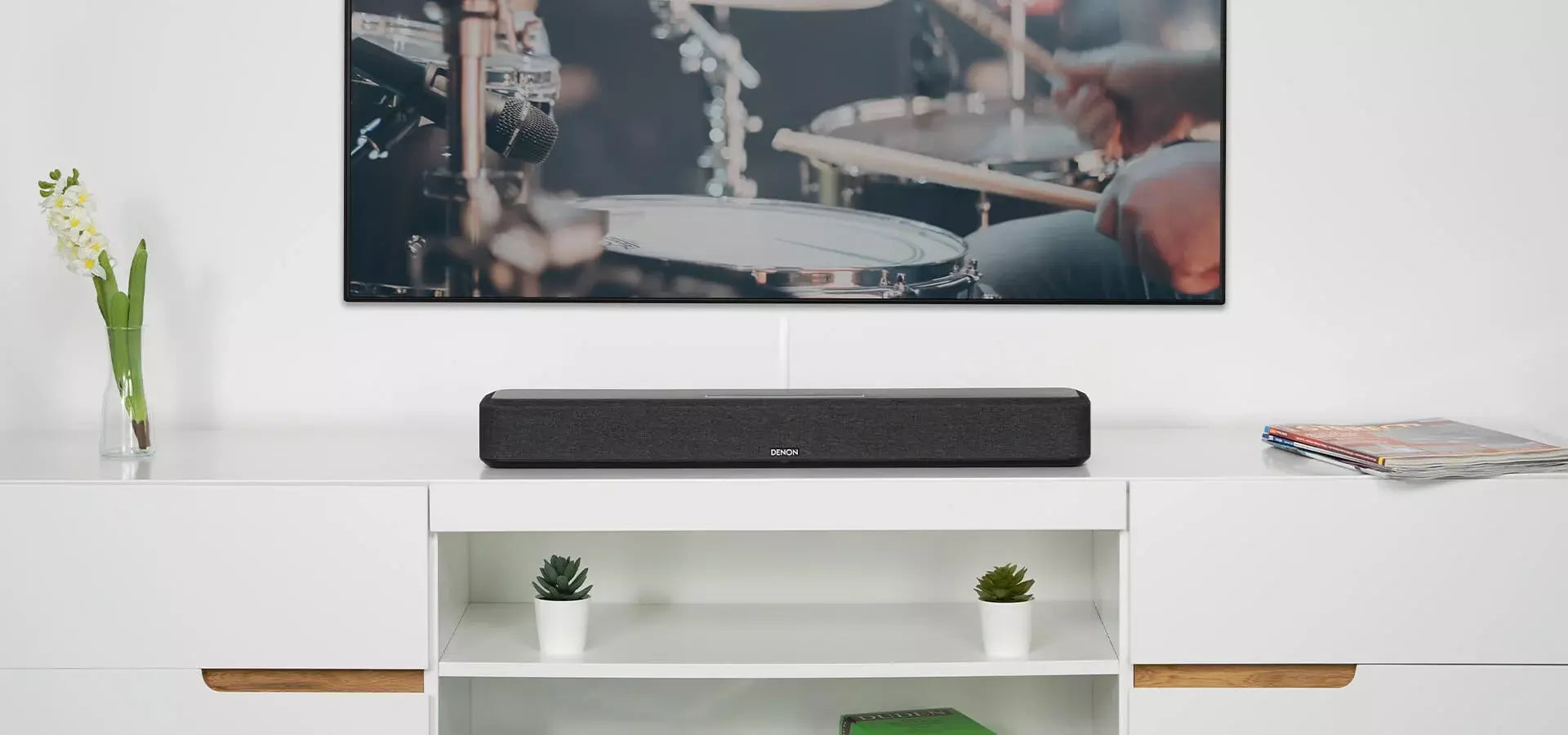
Bluetooth is a very handy way to connect your soundbar to your TV, as it is so easy to set up with a mobile or tablet. Bluetooth soundbars are great for casual listening, especially if you’re fine with risking the occasional connectivity issue.
Bluetooth soundbars can be a tempting purchase due to their easy set up and sleek, clutter-free look. However, these features aren’t everything and you might want to consider that a soundbar’s biggest advantage is their audio quality.
Part of the reason why HDMI cables are so widely used is not only their simplicity—simply plug one connector into your TV HDMI ARC connection port and the other into your soundbar's HDMI ARC connection—but they are also the best option for superior audio quality. All you need to do is confirm both your TV and new soundbar have a HDMI ARC port—ARC simply stands for audio return channel and these are often found on newer TVs.
High quality HDMI cables consistently have exceptional connection whereas Bluetooth can sometimes be unreliable and out of sync. Plus, HDMI ports can now be found on many home entertainment devices.
Importance Of a High-Quality HDMI Cable
HDMI, or high-definition multimedia interface, cables are usually the most convenient way to transmit audio-video signals between your device and your TV.

High quality HDMI cables are more durable, support higher bandwidth at longer distances, and offer better connectors and more flexible materials. HDMI cables have the ability to handle even the most high-end soundbars, including those that offer great surround sound quality.
High quality HDMI cables are so durable because of their high-end features. For example, advanced gold-plated connectors are better conductors and prevent the oxidation that can occur in lower quality cables, causing interference.
Fibre optic HDMI cables are another option that meets the very high bandwidth requirements which are needed for modern TV’s by supporting 4K@120Hz and 8K signals. These cables are also designed to be used to transmit over longer distances without any signal loss, while also maintaining their high data rates.